Pressure Treated vs Untreated Timber: Expert Guide for Fencing and Outdoor Projects
Choosing the right timber for fencing, decking, or garden structures is one of the most important decisions a homeowner or contractor can make. The difference between pressure treated timber and untreated timber isn’t just cosmetic …. it directly affects the lifespan, durability, and maintenance requirements of your project. In this guide, we’ll break down everything you need to know from an industry perspective, so you can make a confident, informed choice.
Understanding Pressure Treated Timber
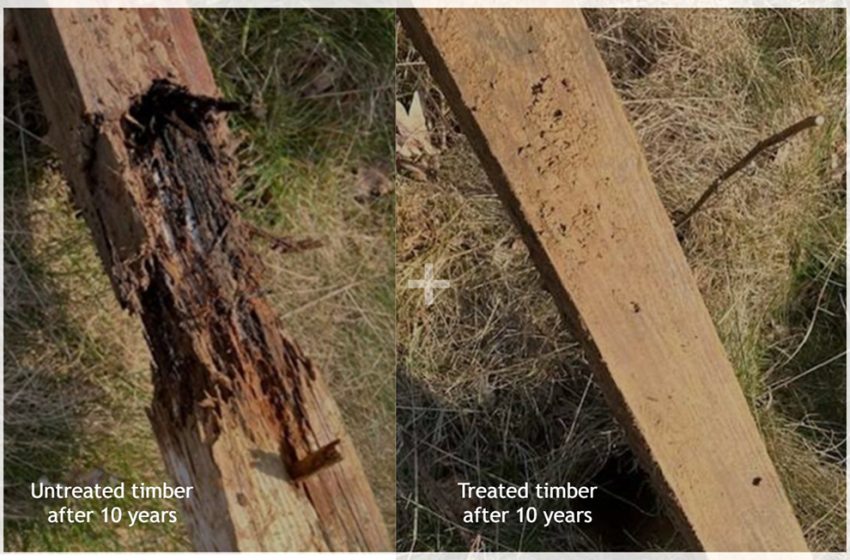
Pressure treated timber is timber that has been chemically treated to resist decay, fungal attack, and insect damage. The treatment process involves placing the timber into a pressure chamber where preservative solutions are forced deep into the wood fibres. This ensures that even the core of the timber is protected, not just the surface.
Key Benefits of Pressure Treated Timber
- Durability in Outdoor Environments
Pressure treated timber can last 20 years or more, even in contact with soil, gravel, or high-moisture conditions, making it ideal for posts, fence panels, and garden sleepers. - Resistance to Biological Threats
Timber left untreated outdoors can quickly succumb to rot, mould, and insect infestation. Pressure treated timber is chemically safeguarded against these threats, ensuring your structure remains sound over time. - Low Maintenance
While treated timber can be stained or painted for aesthetics, it generally requires far less maintenance than untreated timber. Regular inspection and light cleaning are usually sufficient to maintain its integrity. - Versatility
Pressure treated timber is suitable for almost any outdoor project: fencing, decking, pergolas, raised garden beds, and retaining walls. It can also safely be used for ground contact applications without rapid degradation.
Types of Preservative Treatment
In the UK, most commercially available pressure treated timber is treated with Tanalith, Osmose, or similar copper based preservatives, which meet BS EN 351-1 standards for durability. Some timber is also treated for ground contact versus above ground use, with ground contact grades offering enhanced longevity where timber touches soil or gravel.
Understanding Untreated Timber
Untreated timber is timber in its natural state, without chemical preservatives. It’s often prized for its aesthetic qualities and is suitable for indoor applications or protected outdoor locations.
Advantages of Untreated Timber
- Natural Appearance – Untreated timber shows the full grain and texture of the wood, ideal for decorative or visible structures.
- Ease of Finishing – Easier to paint, stain, or varnish to achieve a specific look.
- Cost-Effective Upfront – Less expensive to purchase than pressure treated timber.
Limitations of Untreated Timber
- Vulnerability to Rot and Insects
When exposed to moisture, untreated timber will begin to rot, warp, or attract wood-boring insects. Even a well-installed fence post can fail within a few years if untreated timber is used in ground contact. - Shorter Lifespan Outdoors
Untreated timber used externally typically lasts 3–5 years without protective treatment, making it unsuitable for long term fencing, posts, or garden structures. - Maintenance Requirement
Untreated timber must be regularly sealed, stained, or painted to maintain durability. Neglecting maintenance accelerates deterioration.
Choosing Between Pressure Treated and Untreated Timber
Selecting the right timber comes down to project type, exposure, and maintenance capacity:
| Factor | Pressure Treated Timber | Untreated Timber |
|---|---|---|
| Lifespan | 15–25 years+ | 3–5 years outdoors |
| Maintenance | Low | High (requires regular sealing) |
| Ground Contact | Safe | Not recommended |
| Initial Cost | Higher | Lower |
| Aesthetics | Can be stained/painted | Natural wood finish |
Tip from the trade: Always match the timber to the expected exposure. Fence panels, posts, and gravel boards should always be pressure treated, while decorative fencing, garden furniture, or indoor timber projects can use untreated timber.
Installation Considerations
- Posts:
Use concrete or postcrete when installing pressure treated timber posts for maximum stability and longevity. Even treated timber benefits from proper drainage around the base. - Boards and Rails:
Pressure treated boards can be nailed or screwed directly to treated posts. Pre-drilling is recommended for hardwoods or thicker timbers to prevent splitting. - Cut Edges:
Any cuts, notches, or drilled holes in pressure treated timber should be retreated with a preservative to maintain protection. - Fasteners:
Use galvanised or stainless steel screws/nails to avoid corrosion, especially with treated timber.
Oakwell Garden Products Timber Range
At Oakwell Garden Products, we stock a wide variety of timber suited for all projects, including:
- Featheredge and Timber Boards
- Timber Posts
- Fencing Rails
- Sleepers, and Landscaping Timber
- Planed PSE and Eased Edge machined Timber
- Joists & Decking Boards
- Various Cladding Styles and Thicknesses
- & Much more
All pressure treated timber is sourced to BS EN standards, ensuring high quality, straightness, and durability. Whether you’re a DIY enthusiast or a trade professional, we supply timber that meets the rigorous demands of outdoor projects.
Key Takeaways
- Pressure treated timber is essential for longevity, low maintenance, and outdoor use, particularly in ground contact or exposed situations.
- Untreated timber is ideal for protected or decorative applications but requires regular treatment and has a shorter lifespan outdoors.
- Choosing the correct timber upfront saves time, money, and prevents premature failure of your fencing or garden structures.
Start your project with confidence. Browse our full range of pressure treated and untreated timber today to find the perfect boards, posts, and rails for your fencing, decking, or garden project.
By Giordan Gosling, Oakwell Garden Products
Good Advice. I made the mistake of using untreated wood for a garden table……one year later and it fell to bits, if only I read this article before. But good advice and nice article….will be putting an order in for some treated boards.
Joseph
Great advice